
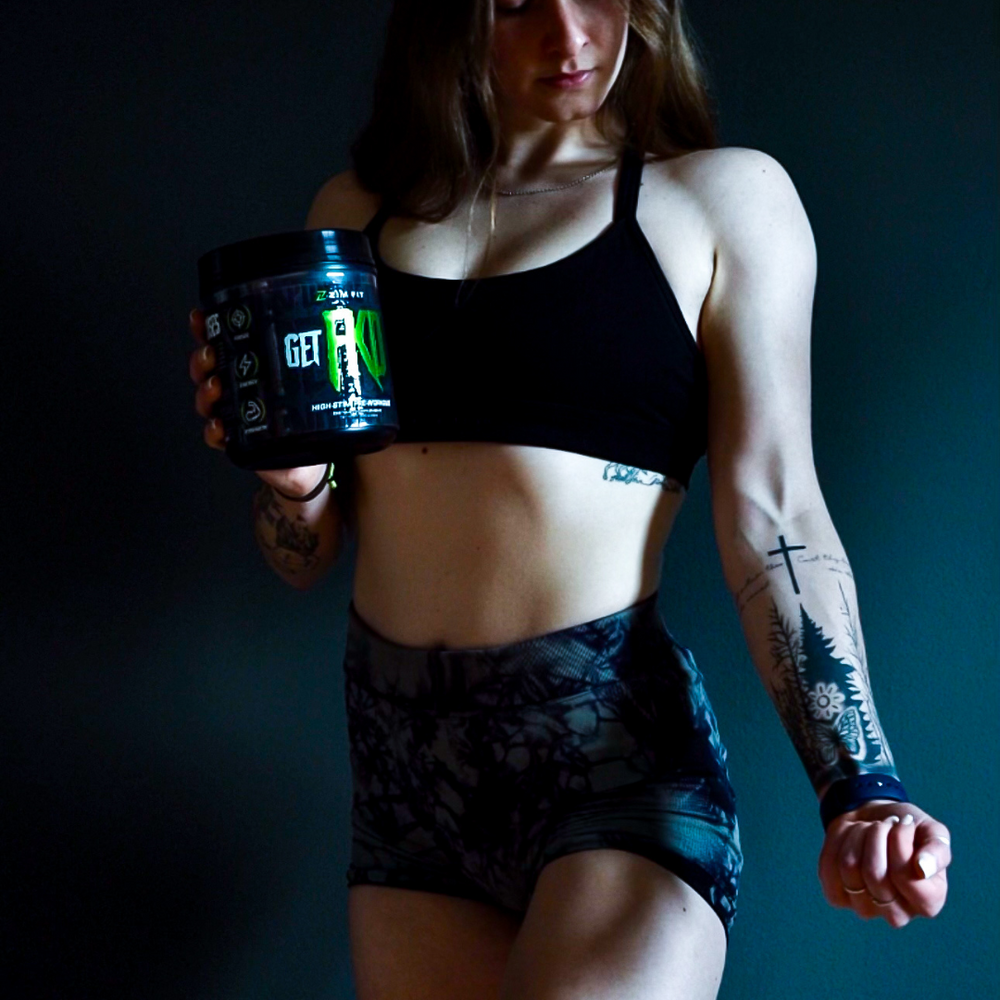
What Is Milk Thistle? ZIM FIT Breaks Down The Popular Supplement
Milk Thistle The Complete Guide to Nature's Most Powerful Liver Defender
What it is, what it does, who needs it, how to take it, and why it belongs in the supplement stack of anyone who takes their health seriously.
Most people in the fitness world are laser-focused on what they put into their body to build muscle and drive performance. Pre-workouts. Protein. Creatine. Caffeine. And that's smart, but it doesn't address the full body. What you do to protect the organs that process all of it matters just as much.
Your liver is the most metabolically active organ in your body. It filters everything: supplements, food, alcohol, medications, environmental toxins. Without a healthy liver, your ability to absorb nutrients, regulate hormones, burn fat, and recover from training is compromised at the most fundamental level. Milk thistle has been used for over 2,000 years to support, protect, and regenerate liver tissue, and modern science has spent decades confirming why it works.
This is the complete guide. What milk thistle is, what's inside it, every benefit it delivers, who needs it most, how to take it correctly, and who should approach it with caution. Let's get into it.
What Is Milk Thistle?
Milk thistle (Silybum marianum) is a flowering herb native to the Mediterranean region, now cultivated worldwide. It has been used medicinally for more than 2,000 years as ancient Greek physicians prescribed it for liver and gallbladder conditions, and its use has been documented across Roman, European, and Asian traditional medicine for centuries.
The plant gets its name from the milky-white sap that runs through its leaves and the legend that the white markings on its leaves came from the Virgin Mary's milk. However, its reputation isn't built on folklore, it's built on silymarin. Silymarin is the active compound complex extracted from the seeds of the plant.
The active ingredient: Silymarin is a group of flavonolignans — primarily silybin, silydianin, and silychristin — extracted from milk thistle seeds. Silybin is the most biologically active and most studied component. When you see "milk thistle extract standardized to 70–80% silymarin," that's the quality marker you're looking for.
Silymarin works through three primary mechanisms that make it uniquely valuable for liver protection: it acts as a potent antioxidant, it has anti-inflammatory properties, and most remarkably, it has demonstrated the ability to stimulate liver cell regeneration, actually supporting the repair of damaged hepatocytes (liver cells). No other widely available supplement does all three at this level.
What Milk Thistle Does for Your Body
Understanding how milk thistle works at the physiological level helps you understand why the benefits are so wide-ranging. This isn't a single-action supplement, it works across multiple systems simultaneously.
The Liver: Your Body's Filtration Powerhouse
Before diving into benefits, it's worth understanding what the liver actually does, as most people dramatically underestimate it. The liver performs over 500 distinct functions in the body, including:
- Filtering and detoxifying blood from the digestive tract before it enters circulation
- Metabolizing carbohydrates, fats, and proteins from the food and supplements you consume
- Producing bile for fat digestion and absorption of fat-soluble vitamins (A, D, E, K)
- Synthesizing proteins including albumin and clotting factors
- Regulating blood sugar through glycogen storage and gluconeogenesis
- Processing and breaking down hormones — including estrogen and testosterone
- Metabolizing medications, alcohol, and environmental toxins
- Storing iron, vitamins, and minerals for release when needed
When liver function is compromised, every one of these processes suffers. Nutrient absorption drops. Hormone regulation becomes inefficient. Recovery from training slows. Fat metabolism decreases. A healthy liver is the foundation of a healthy body. Milk thistle is one of the most effective tools we have for maintaining and restoring it.
The Science-Backed Benefits
Liver Protection & Detoxification
Silymarin's most well-documented benefit is hepatoprotection — protecting liver cells from damage caused by toxins, alcohol, medications, and oxidative stress. It stabilizes liver cell membranes, preventing toxins from penetrating into hepatocytes in the first place. Clinical studies show significant reduction in liver enzyme levels (ALT and AST) — the primary blood markers of liver cell damage — in subjects taking milk thistle consistently.
Liver Cell Regeneration
Perhaps milk thistle's most remarkable property: silybin stimulates protein synthesis in liver cells, actively promoting the regeneration of damaged hepatocytes. This isn't just protection — it's repair. Research shows silymarin increases ribosomal RNA in liver cells, accelerating the replacement of damaged tissue with healthy, functional cells. This is why milk thistle is used clinically in cases of liver damage, not just as a preventive measure.
Powerful Antioxidant Activity
Silymarin is one of the most potent natural antioxidants identified in research — more powerful than Vitamin E in some studies at scavenging free radicals and preventing lipid peroxidation in liver tissue. Oxidative stress is one of the primary drivers of liver damage and chronic disease. Milk thistle creates a defensive antioxidant environment in the liver that neutralizes damaging reactive oxygen species before they can injure cells.
Systemic Inflammation Reduction
Chronic low-grade inflammation is at the root of nearly every metabolic disease — from fatty liver to insulin resistance to cardiovascular disease. Silymarin inhibits NF-kB, one of the primary transcription factors responsible for inflammatory gene expression. In clinical trials, milk thistle supplementation has shown measurable reductions in inflammatory markers including C-reactive protein (CRP), IL-6, and TNF-alpha.
Blood Sugar & Insulin Sensitivity
Multiple studies show silymarin improves insulin sensitivity and reduces fasting blood glucose levels — particularly in individuals with insulin resistance or type 2 diabetes. It does this partly by improving liver function (since the liver plays a central role in glucose regulation) and partly through direct effects on glucose transporters and insulin signaling pathways. For athletes focused on body composition, improved insulin sensitivity means better nutrient partitioning.
Cholesterol & Lipid Management
Research shows milk thistle supplementation reduces total cholesterol, LDL cholesterol, and triglycerides while supporting healthy HDL levels. Since the liver is responsible for producing, packaging, and clearing cholesterol from the blood, improving liver function directly improves lipid metabolism. For individuals on higher-fat diets or those managing cholesterol naturally, milk thistle is a valuable support tool.
Brain & Cognitive Protection
Emerging research suggests silymarin has neuroprotective properties — crossing the blood-brain barrier and reducing neuroinflammation and oxidative stress in neural tissue. Studies show potential benefits for age-related cognitive decline, and some research explores applications in neurodegenerative conditions like Alzheimer's disease. The same antioxidant mechanisms that protect the liver also protect the brain from chronic oxidative damage.
Hormone Regulation Support
Because the liver is responsible for metabolizing and clearing estrogen, testosterone, and cortisol from the bloodstream, liver health is directly tied to hormonal balance. A sluggish liver leads to elevated circulating estrogen, impaired testosterone metabolism, and chronically elevated cortisol — all of which negatively impact body composition, recovery, and performance. Milk thistle supports efficient hormone clearance by keeping liver function optimized.
Skin Clarity & Health
The liver-skin connection is real but underappreciated. When the liver is overburdened and unable to effectively process toxins, those compounds can be pushed out through the skin — contributing to acne, inflammation, and dull complexion. Multiple studies show milk thistle supplementation improves acne severity and skin oxidative stress markers. Cleaner liver function means cleaner skin.
Who Should Take Milk Thistle
Milk thistle is one of the most broadly applicable supplements available. The liver is involved in virtually every physiological process, which means liver support benefits virtually everyone. That said, some groups have a more compelling case for it than others.
| Who | Why Milk Thistle Matters for Them |
|---|---|
| Athletes & Heavy Trainers | High training volumes, frequent supplement use, and high protein diets all increase the liver's metabolic workload. Milk thistle protects liver cells from supplement-induced stress and supports the efficient metabolism and hormone regulation that underpins performance and recovery. |
| Supplement Users | Pre-workouts, fat burners, and multi-ingredient stacks all pass through the liver. Consistent supplementation — especially stimulant-heavy products — creates a baseline of hepatic stress over time. Milk thistle is the most effective natural buffer against that accumulation. |
| Social Drinkers | Alcohol is directly toxic to liver cells. Even moderate, regular alcohol consumption elevates liver enzymes and causes low-level chronic liver inflammation. Milk thistle significantly reduces alcohol-induced liver damage and supports recovery between drinking occasions. |
| Individuals on Medications | Many common medications — statins, NSAIDs, antibiotics, antifungals — are processed by the liver and can cause hepatotoxicity with long-term use. Milk thistle is widely studied as a hepatoprotective agent alongside pharmaceutical use. Always consult a healthcare provider before combining. |
| People with Fatty Liver (NAFLD) | Non-alcoholic fatty liver disease affects an estimated 25% of adults worldwide. Multiple clinical trials show milk thistle supplementation reduces liver fat accumulation, improves liver enzyme levels, and reduces inflammation in NAFLD patients — making it one of the most evidence-backed natural interventions for this condition. |
| Individuals with High Toxic Exposure | People who work in environments with chemical, pesticide, or industrial toxin exposure place an elevated burden on their liver daily. Milk thistle's hepatoprotective and antioxidant properties help buffer this ongoing toxic load. |
| Anyone Over 40 | Liver function naturally declines with age, as does the body's antioxidant defense capacity. Proactive liver support through milk thistle becomes increasingly valuable as a preventive health strategy beginning in the fourth decade of life. |
| Those Focused on Body Composition | Fat metabolism, hormone balance, and insulin sensitivity — all directly supported by milk thistle — are central pillars of body composition management. A well-functioning liver is a prerequisite for optimal fat loss and lean mass retention. |
"A well-functioning liver isn't just a health goal — it's the foundation every other performance goal is built on."
— ZIM FIT USA, Education SeriesHow Much to Take
Milk thistle dosage depends on your goal. Whether you're using it preventively for general liver support or therapeutically to address elevated liver enzymes, fatty liver, or ongoing toxic exposure. Here are the evidence-based guidelines.
Dosage by Goal
| Goal | Recommended Dose | Protocol Notes |
|---|---|---|
| General Liver Support | 200–400mg/day | Single or split dose. Can be taken with or without food. Consistent daily use is more important than timing. |
| Active Supplement User | 420mg/day (140mg x3) | Split into three doses spaced throughout the day. Take one dose with your pre-workout or largest supplement serving. |
| Alcohol Exposure | 420mg/day | Full therapeutic dose. Take before and after drinking occasions for maximum hepatoprotection. Consistent daily use is preferred over reactive dosing. |
| Elevated Liver Enzymes / NAFLD | 420–600mg/day | Under healthcare provider guidance. Clinical trials supporting NAFLD improvement typically use 420mg/day over 6–12 months. |
| Medication Support | Consult healthcare provider | Silymarin can interact with certain medications metabolized by CYP450 enzymes. Professional guidance is essential before combining with prescription medications. |
Silymarin has relatively poor water solubility, which limits oral bioavailability. Taking milk thistle with a meal containing healthy fats significantly improves absorption — fat-soluble compounds like silymarin are more efficiently absorbed in the presence of dietary fat. Look for products using phospholipid-bound silymarin (siliphos or silybin-phosphatidylcholine complex) for superior bioavailability compared to standard extracts.
How to Take Milk Thistle
Milk thistle is available in several forms. Knowing the differences helps you choose the right product and use it effectively.
Standardized Capsules / Tablets
The most widely available and well-studied delivery form. Look for extracts standardized to at least 70–80% silymarin. This ensures you're getting a meaningful dose of the active compound rather than raw, unstandardized plant material. Dose accuracy and consistency are highest in this format.
Phospholipid-Bound Silymarin
Silybin-phosphatidylcholine complexes (sold as Siliphos or Milk Thistle Phytosome) demonstrate 4–7x greater bioavailability than standard silymarin extracts in clinical comparisons. If you're supplementing for a therapeutic purpose or want maximum effect per milligram, this form is worth the premium price.
Liquid Tincture / Tea
Tinctures preserve silymarin in an alcohol base for sublingual or oral use. Teas made from crushed milk thistle seeds contain lower silymarin concentrations but are a gentle, accessible option for daily maintenance. Less precise dosing than standardized extracts, but effective for consistent low-level support.
Raw Powder / Bulk Supplement
Milk thistle seed powder is available in bulk form for those who prefer mixing into shakes or smoothies. Standardized powders specify silymarin percentage — raw seed powder is significantly less potent. Effective when quality-sourced and properly dosed, with the advantage of easy stacking with other supplements.
Timing Recommendations
- With food: Take milk thistle with meals containing fat for best silymarin absorption. Breakfast or dinner with dietary fat are ideal windows.
- Split your dose: At therapeutic doses (420mg/day), splitting into three 140mg doses spaced throughout the day maintains more consistent blood levels than a single large dose.
- With your supplement stack: If you take a pre-workout or other liver-processed supplements, taking milk thistle around the same time provides direct hepatoprotection as those compounds are metabolized.
- Consistency over timing: Like creatine, milk thistle's benefits accumulate over weeks of consistent use. Missing a dose occasionally is inconsequential — stopping altogether is not. Daily consistency is the single most important variable.
- Long-term supplementation is safe: Studies show milk thistle is safe for long-term daily use with no evidence of toxicity or negative effects at standard doses in healthy individuals. Unlike many supplements, there is no established need to cycle off.
How Often to Take It
Milk thistle is most effective as a daily supplement taken consistently over the long term, not as a reactive, occasional intervention. Here's the framework for different use cases.
Daily Use (Recommended)
- General health maintenance: Once daily with a meal. Consistent baseline protection for the everyday demands placed on the liver.
- Active supplement users: Once or twice daily. The liver processes your supplement stack every single day — daily milk thistle mirrors that frequency.
- Therapeutic use: Three times daily (140mg per dose) for maximum benefit. Space evenly — morning, midday, evening with food.
- Duration: No established limit for healthy individuals. Clinical trials have used milk thistle safely for up to 41 months of continuous daily use.
Situational Use (Minimum)
- Alcohol occasions: Take a full dose (400–420mg) before and after drinking. This reduces oxidative stress and inflammatory damage caused by alcohol metabolism.
- High supplement phases: During periods of heavy supplementation — loading phases, pre-contest prep, or high-stimulant protocols — daily milk thistle is non-negotiable.
- Post-illness or medication course: After antibiotic courses, illness, or any period of elevated hepatic stress, a 4–8 week daily milk thistle protocol supports liver recovery.
- Minimum commitment: Research shows 8 weeks of consistent use is the minimum threshold to observe measurable improvements in liver enzyme levels and function.
Who Should Approach With Caution
Milk thistle has an excellent safety profile and is well-tolerated by the vast majority of people. However, there are specific populations and scenarios where caution — and in some cases avoidance — is warranted. This section covers everything you need to know before starting.
The information below is educational and does not constitute medical advice. If you have an existing health condition, take prescription medications, or are pregnant or breastfeeding, consult a qualified healthcare provider before adding milk thistle to your supplement regimen.
Pregnancy & Breastfeeding
Research on milk thistle use during pregnancy and breastfeeding is insufficient to confirm safety. Out of an abundance of caution, milk thistle is not recommended during pregnancy or while nursing. The estrogenic activity of some silymarin compounds is an additional consideration during these periods.
Hormone-Sensitive Conditions
Silymarin has mild estrogenic activity — meaning it can mildly mimic estrogen in the body. Individuals with hormone-sensitive conditions such as breast cancer, ovarian cancer, uterine cancer, endometriosis, or uterine fibroids should consult an oncologist or specialist before using milk thistle due to this potential estrogenic effect.
Certain Medications
Silymarin inhibits certain cytochrome P450 enzymes (CYP3A4, CYP2C9) involved in drug metabolism. This can affect blood levels of medications including statins, certain blood thinners (warfarin), antipsychotics, and immunosuppressants. Anyone on prescription medications should review potential interactions with their prescribing physician before supplementing.
Ragweed & Related Plant Allergies
Milk thistle belongs to the Asteraceae/Compositae plant family — the same family as ragweed, chrysanthemums, marigolds, and daisies. Individuals with known allergies to plants in this family have a higher risk of allergic reaction to milk thistle. If you experience rash, itching, or respiratory symptoms after taking it, discontinue immediately.
Diabetes & Blood Sugar Management
Milk thistle can lower blood sugar levels — a benefit for most, but a consideration for anyone on diabetes medications, as it may enhance their blood-sugar-lowering effect and increase the risk of hypoglycemia. Diabetics taking insulin or oral hypoglycemic agents should monitor blood glucose carefully when starting milk thistle supplementation.
Gastrointestinal Sensitivity
Some individuals experience mild GI effects when starting milk thistle — including loose stools, nausea, bloating, or mild cramping. These effects are typically transient and resolve within 1–2 weeks as the body adapts. Starting at a lower dose (140–200mg/day) and gradually increasing helps minimize digestive discomfort for sensitive individuals.
The bottom line on safety: For the vast majority of healthy adults, milk thistle is one of the safest and best-tolerated supplements available. Decades of clinical research confirm its safety at standard doses. The precautions above represent specific edge cases — not reasons to avoid it broadly. When in doubt, consult your healthcare provider.
Milk Thistle for the Serious Athlete
If you train hard, supplement consistently, and expect your body to perform at a high level, milk thistle isn't optional. It's infrastructure. Here's why it belongs in every serious athlete's daily stack.
- Protects the liver from supplement-induced stress. Pre-workouts, fat burners, protein powders, and multi-ingredient stacks are processed by your liver daily. Chronic, high-volume supplement use creates a real hepatic burden over time. Milk thistle is the single most effective natural compound for protecting liver cells from that cumulative stress.
- Supports hormone optimization. The liver clears excess estrogen and processes testosterone metabolites. A sluggish liver means elevated estrogen, suppressed testosterone clearance, and an unfavorable anabolic environment. Milk thistle keeps liver function sharp — which keeps your hormonal profile working for you, not against you.
- Improves nutrient absorption. Bile production, fat digestion, and fat-soluble vitamin absorption are all liver-dependent. Optimized liver function means you're actually absorbing the nutrients and supplements you're paying for — not just processing and excreting them.
- Reduces systemic inflammation. Chronic training-induced inflammation is a real performance limiter. Milk thistle's anti-inflammatory effects — while centered in the liver — contribute to a lower systemic inflammatory environment that benefits recovery, joint health, and general resilience under training stress.
- Supports fat metabolism. The liver is the primary site of fatty acid oxidation. A healthy, functioning liver is more metabolically efficient at burning fat — making milk thistle indirectly supportive of body composition goals, particularly during cutting or recomposition phases.
- Zero performance downside. Unlike some supplements that involve tradeoffs, milk thistle has no known negative effect on training performance, strength, endurance, or body composition. It is purely additive — protecting the system that makes everything else work without taking anything away.
Milk thistle pairs naturally with the ZIM FIT supplement lineup. Take 400–420mg of milk thistle daily alongside your GET FKD pre-workout routine to protect the liver from the elevated metabolic load of consistent high-stim supplementation. Stack with creatine and protein for a complete performance and recovery foundation. Milk thistle works in the background — quietly protecting everything else you're building.
The Bottom Line
Milk thistle is one of the most research-supported, broadly beneficial, and consistently underutilized supplements available. The liver is the engine behind every physiological process that matters to your health and performance — and milk thistle is the most effective natural tool we have for keeping that engine clean, protected, and running at full capacity.
- The active compound silymarin — particularly silybin — protects liver cells, reduces inflammation, and actively stimulates regeneration of damaged hepatocytes. No other widely available supplement does all three.
- Benefits extend well beyond the liver: improved insulin sensitivity, cholesterol management, reduced systemic inflammation, hormonal balance, neuroprotection, and skin health are all supported by the research.
- The standard therapeutic dose is 420mg/day split across three doses, standardized to 70–80% silymarin. For general maintenance, 200–400mg/day is effective and well-tolerated.
- Take it with food containing dietary fat for best absorption. Phospholipid-bound silymarin offers superior bioavailability for those seeking maximum effect.
- Daily consistency over the long term is the key variable. Benefits accumulate over weeks and months — not overnight.
- Milk thistle is safe for long-term daily use in healthy adults. Specific caution applies to pregnant women, hormone-sensitive conditions, certain medication interactions, and Asteraceae plant allergies.
- For athletes and regular supplement users, milk thistle is not a luxury — it is the foundation of responsible supplementation. Protect the organ that processes everything else you take.
Protect the Foundation. Perform at Your Peak.
Explore the full ZIM FIT lineup — built for athletes who understand that performance starts with protecting what's inside.
Shop ZIM FIT USA


Leave a comment